Spiral staircases are common in both historical architecture and modern homes. You’ll find them in lighthouses, castle towers, bell towers, and even in the living rooms of contemporary houses. But do they actually have a traditional direction?
Today, people usually install spiral staircases because they save floor space or simply look good. Historically, however, spiral staircases were often used in towers where no other type of staircase would fit. Online you can find claims that in medieval castles spiral staircases were deliberately built in a way to aid the defensive design. Do they really have specific winding direction to aid the defending party?
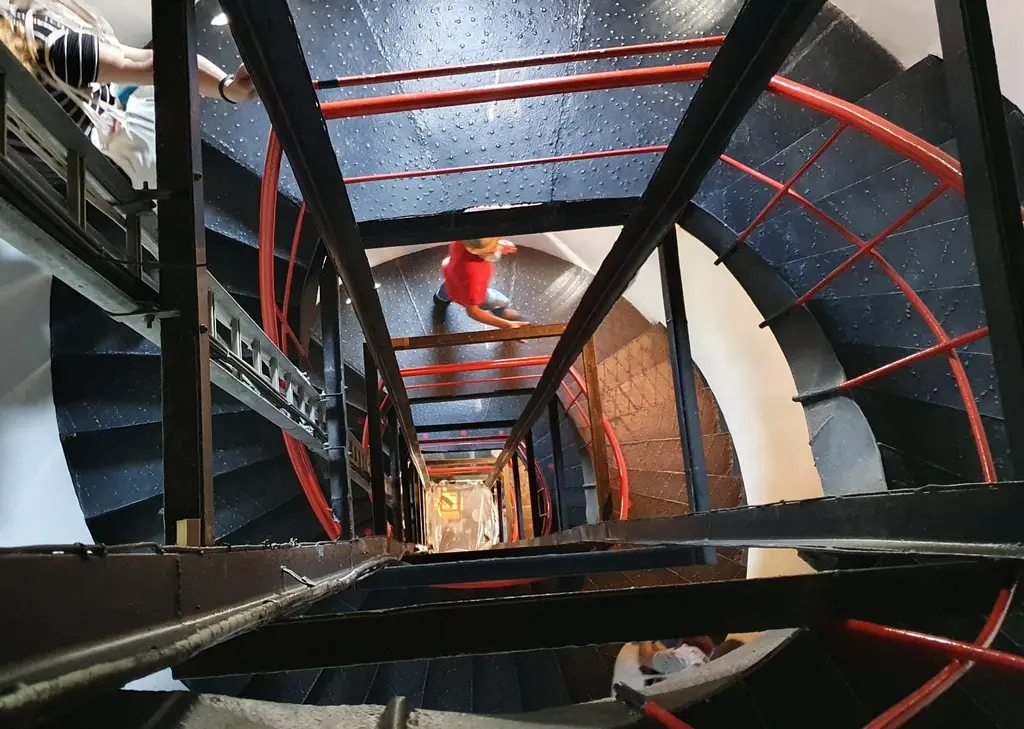
According to the popular version, castle spiral staircases are usually clockwise – forcing anyone attacking upward to turn to the right. That style of spiral staircase is called a right‑handed staircase. And, of course, the opposite, turning counterclockwise, is a left‑handed spiral staircase. Many sites online argue that a right‑hand staircase gave defenders an advantage: the defender, standing higher, had more room to swing a sword with his right hand, while the attacker’s right hand was cramped against the central column. Since most people are right‑handed and swords are long and unwieldy, a clockwise spiral supposedly made upward attacks awkward and dangerous.
It is true that clockwise spiral staircases are more common in castles. However, the idea that this was a deliberate defensive feature is almost certainly a myth. Medieval architectural descriptions and surviving documents do not mention staircase direction as a defensive solution. And plenty of castles have staircases that wind the opposite way. In practice, the layout of the building seems to have influenced the spiral staircase direction far more than any sword‑fighting scenarios.
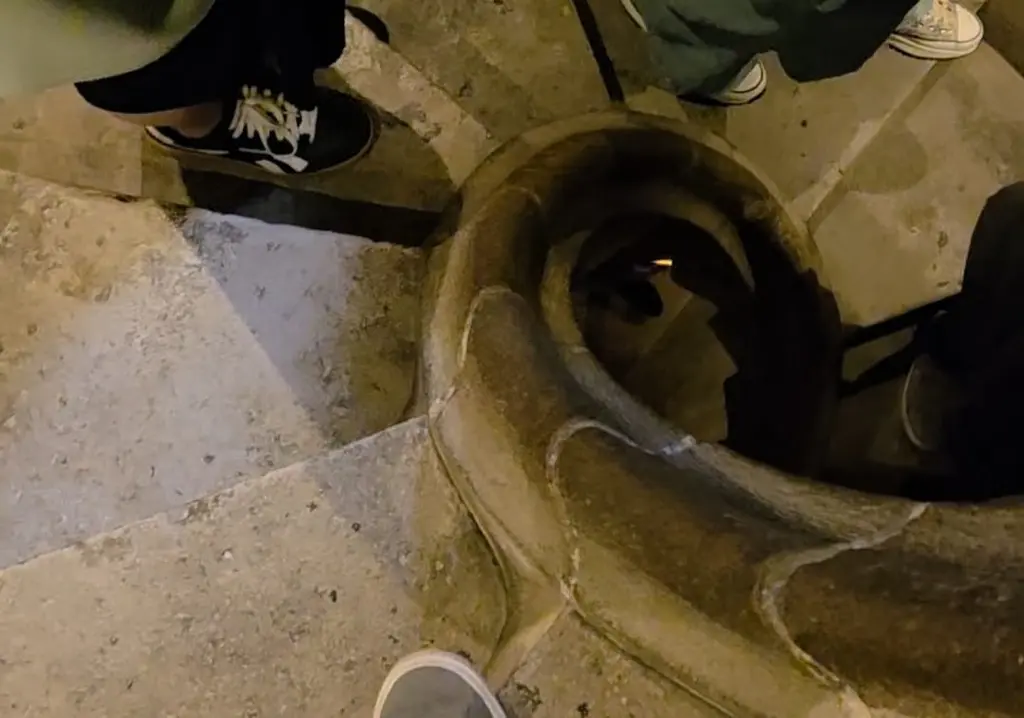
So do spiral staircases have a traditional direction? No – at least not in any strict or universal sense.
Some castles and churches with multiple towers have both right‑ and left‑hand spiral staircases. A cathedral with two towers, for example, is often symmetrical: one tower’s staircase turns right, the other – left. This usually follows the logic of the interior layout, ensuring that someone descending the stairs naturally faces the center of the building. Still, right‑hand staircases do appear somewhat more often in older architecture.
Why? There’s no definitive answer, but there are plausible explanations. Stone staircases were typically finished on site, and it may have been easier for right‑handed masons to shape and level the outer edge of the steps when the outer wall didn’t obstruct their hammer swings. Spiral steps widen toward the outside, so more work happens there – and having more room for the dominant hand could make the job easier.
Carrying heavy objects might also play a role. On a right‑hand staircase, someone climbing upward can lean their left shoulder against the outer wall and use the wider part of the step, while keeping the load in their right hand on the narrower, more precarious side. Of course, when descending, this advantage becomes a disadvantage.
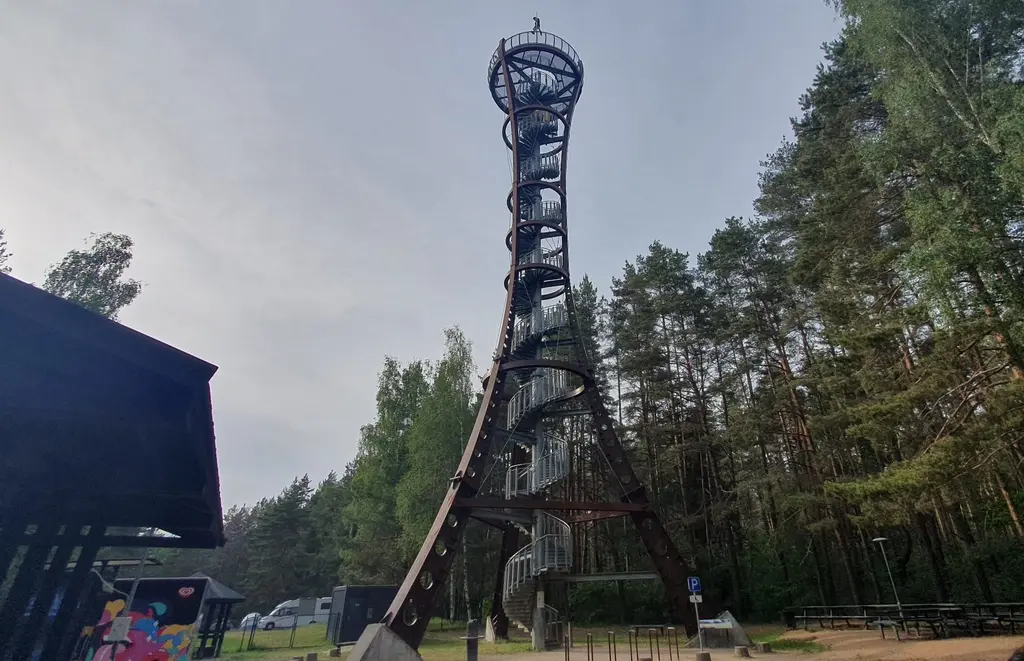
Today, left‑hand (counterclockwise) spiral staircases are probably just as common, and they allow people climbing upward to hold the handrail with their right hand. Many observation towers use left‑hand spiral stairs.